
The New Shape of Hospitality: Reflections from Food & Hospitality Vietnam 2026
For three days in late March, the Saigon Exhibition and Convention Centre became the epicenter of Vietnam's F&B and hospitality evolution. Food & Hospitality Vietnam 2026, held jointly for the first time with HOTELEX Vietnam, brought together 400 exhibitors from 36 countries and territories, 19 international pavilions, and an estimated 17,000 trade visitors. It was, by any measure, a significant gathering.
INSIGHTS
Trilien Group
3/26/20268 min read
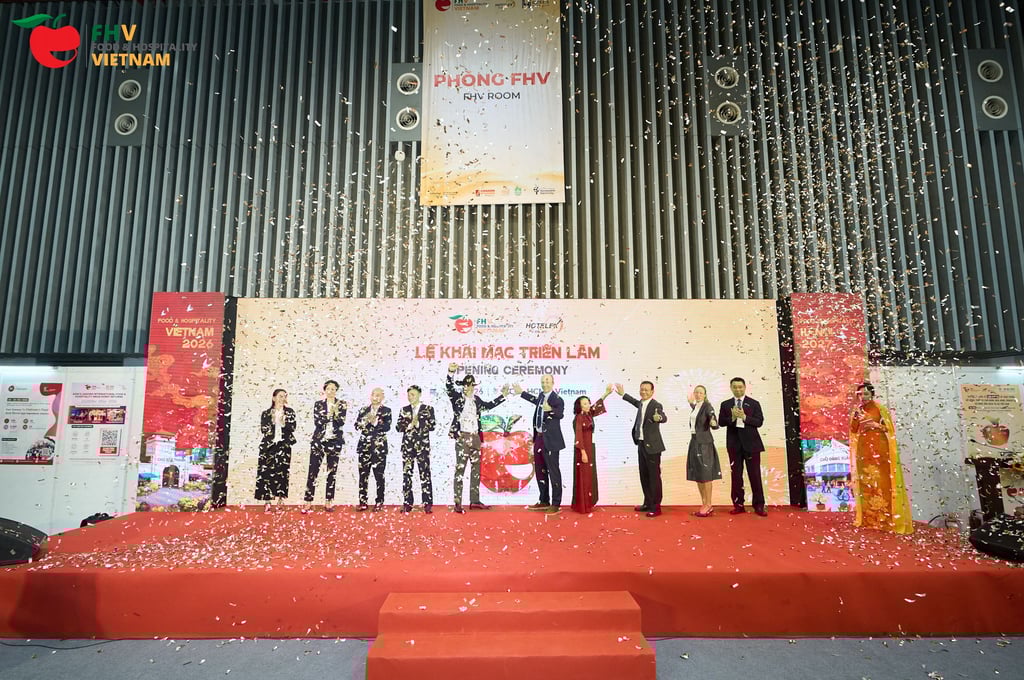
For three days in late March, the Saigon Exhibition and Convention Centre became the epicenter of Vietnam's F&B and hospitality evolution. Food & Hospitality Vietnam 2026, held jointly for the first time with HOTELEX Vietnam, brought together 400 exhibitors from 36 countries and territories, 19 international pavilions, and an estimated 17,000 trade visitors. It was, by any measure, a significant gathering.
But beyond the numbers - the 13,000 square meters of exhibition space, the Vietnam Culinary Challenge, the Barista Competition, the debut of the Vietnam Housekeeping Competition - what did the event actually reveal about the state of the industry and where it is heading?
At Trilien Group, we attended not merely as observers, but as students of structural change. Our BDP+Partners division specializes in translating market signals into strategic insight. Our Asia Apex Alliance division lives at the intersection of international trade and import-export logistics - a perspective that proved particularly revealing in the current global climate. Across three days of conversations, demonstrations, and quiet observation, several patterns emerged that merit reflection for anyone building, operating, or investing in Vietnam's hospitality future.
The Big Picture: An Industry at Inflection in Unstable Times
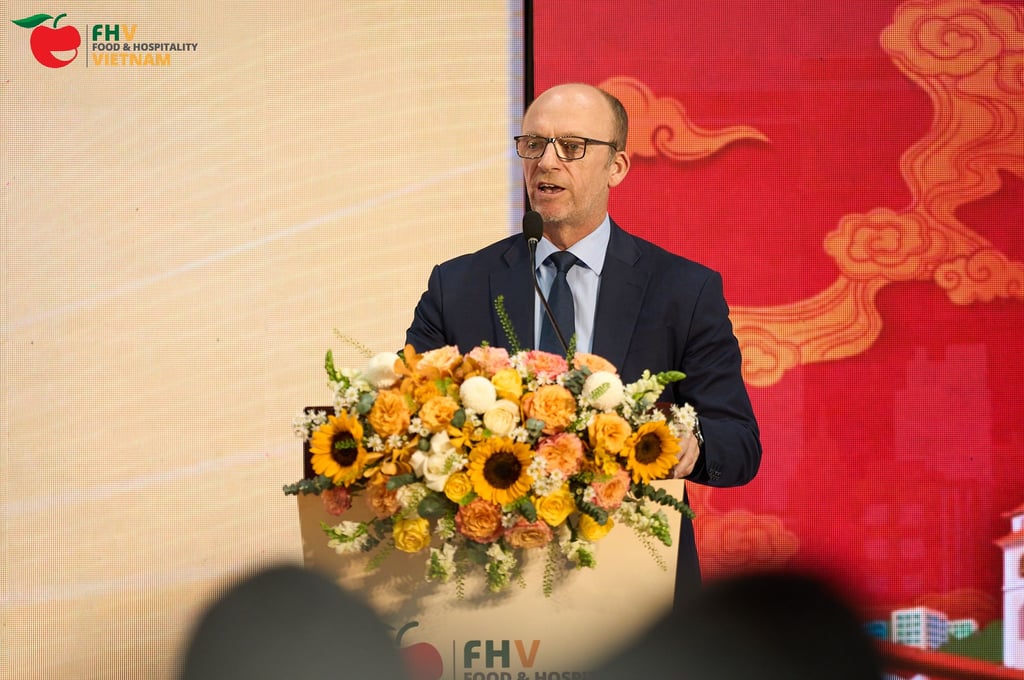
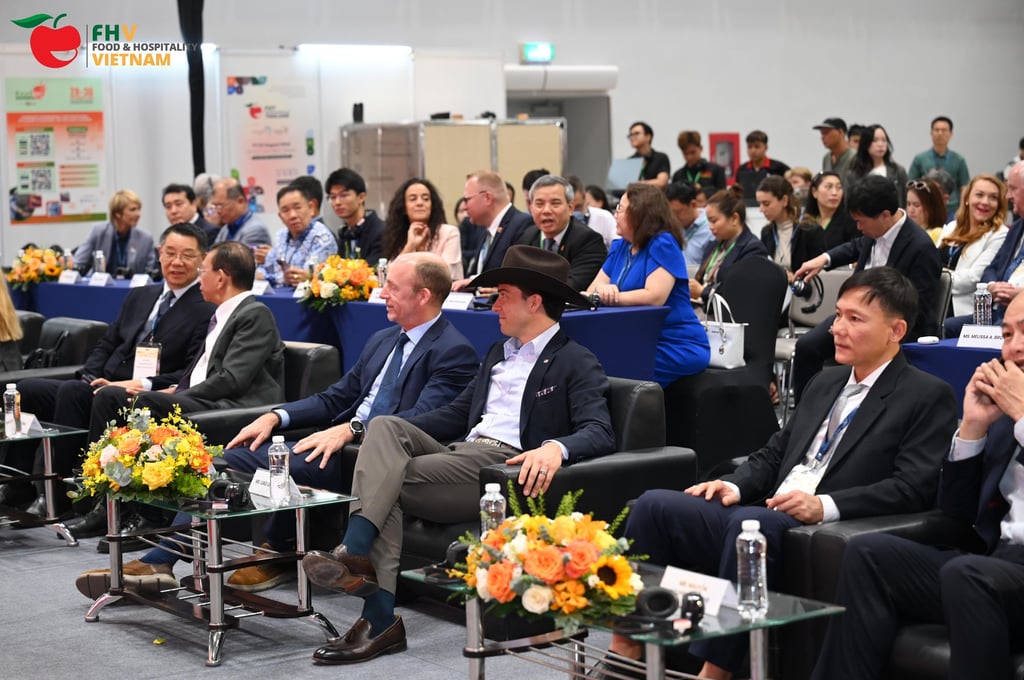
The opening remarks set the tone. Ian Roberts, Senior Vice President of Informa Markets Asia, framed the moment with precision: Vietnam's food, beverage, and hospitality industry is entering a new phase of transformation. The drivers he identified - changing consumer preferences, digitalization, sustainability priorities, and rising expectations for service quality - are not new. What is new is their convergence and acceleration against a backdrop of global economic uncertainty, supply chain volatility, and shifting geopolitical alignments.
Đỗ Hồng Xoan, Vice President of the Vietnam Tourism Association, provided the context that gives these trends weight. Since 2004, when the first Food & Hospitality exhibition was held, Vietnam's tourist accommodation establishments have grown more than twentyfold. Room numbers have increased tenfold, to 810,000 across 41,000 facilities. The number of high-end restaurants has risen sharply.
This is not a market entering growth. It is a market that has grown - and now must mature in a world where trade routes are contested, tariffs are volatile, and the certainty that once defined international supply chains has fragmented.
The Asia Apex Alliance Lens: Trade as the Unseen Foundation
From our Asia Apex Alliance perspective, the exhibition floor told a story that casual visitors might miss. Behind every imported ingredient, every piece of kitchen equipment, every hospitality technology solution stood a supply chain - and those supply chains are under unprecedented pressure.
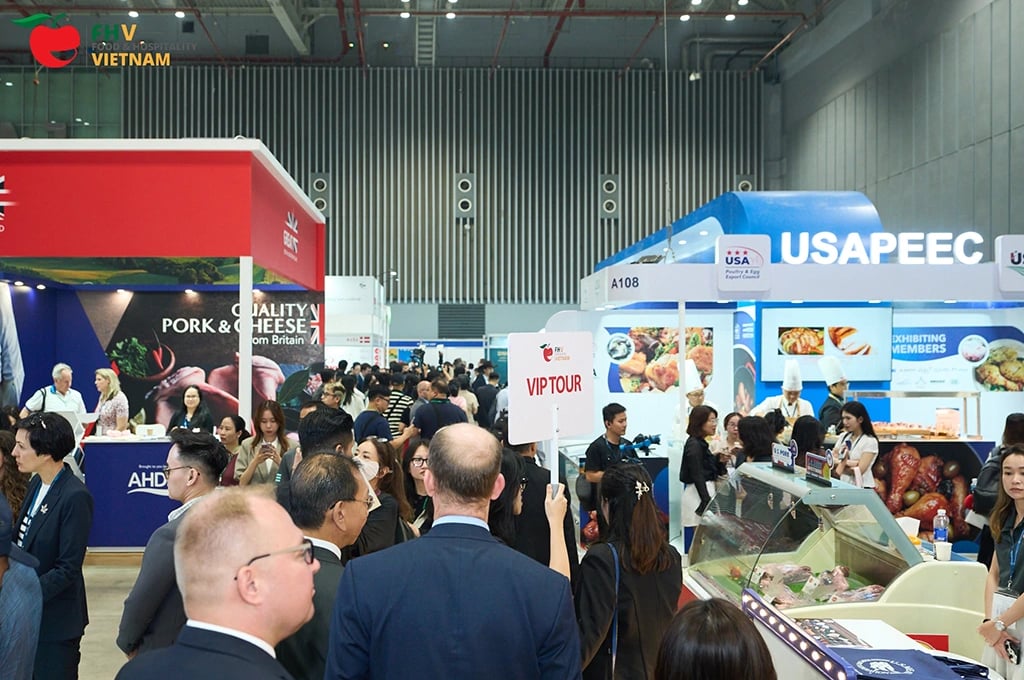
The 400 exhibitors from 36 countries represented not just products, but the viability of trade corridors. Which countries were present in force? Which were notably absent? The composition of the 19 international pavilions - from the US Department of Agriculture to the Italian Trade Agency, from the Brazilian Embassy to the Canadian Embassy - revealed which exporting nations have invested in maintaining their Vietnam presence despite global headwinds.
The conversation around lead times was constant. Operators who once expected 30-day delivery cycles are now planning for 60 to 90 days. Those who have not adjusted their inventory models are facing stockouts. Those who have built buffer capacity are capturing market share from less prepared competitors.
The shift toward regional sourcing was visible but uneven. Some exhibitors highlighted their ASEAN supply chains as a competitive advantage, offering shorter lead times and reduced tariff exposure. Others remained dependent on long-haul routes that are increasingly vulnerable to geopolitical friction and shipping volatility.
From the AAA vantage point, the exhibition confirmed what we have been tracking across our logistics operations: supply chain resilience is no longer a back-office concern. It is a front-line competitive advantage. The operators who understand this are not just surviving instability; they are building structural moats that will define the next decade of Vietnamese hospitality.
The Exhibitor Landscape: What Was Present, What Was Absent
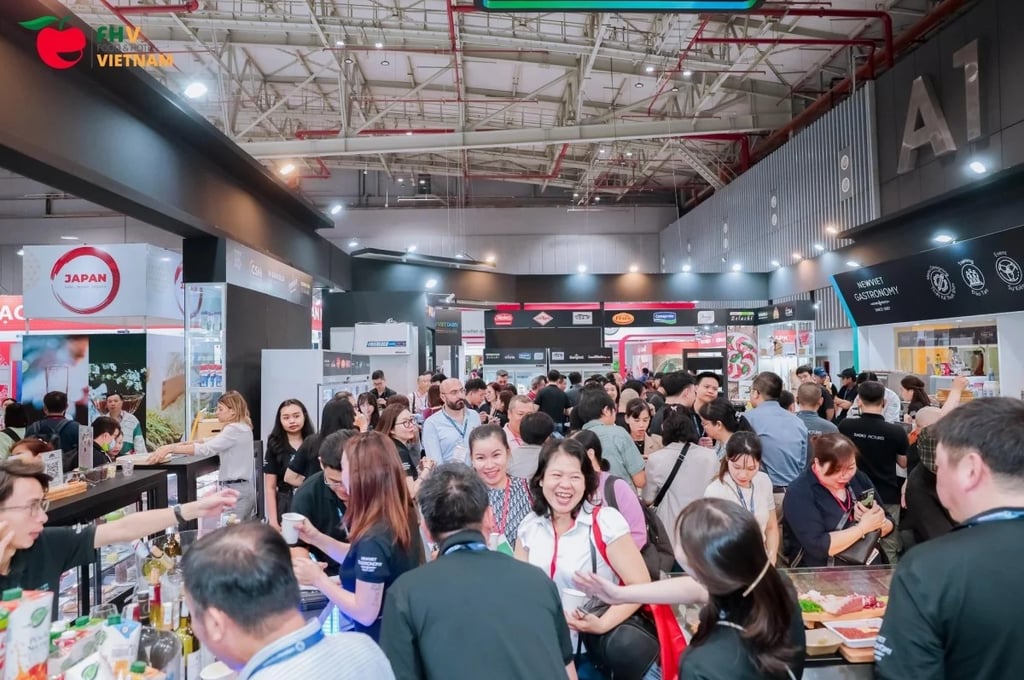
Walking the 400 booths, certain patterns were unmistakable.
International participation was robust, but selective. Nineteen country pavilions signaled the seriousness with which global suppliers now view Vietnam. Yet the composition was telling. Nations with stable trade agreements and diversified logistics networks were prominently featured. Those dependent on contested routes or facing domestic production challenges were less visible. The message was clear: in an unstable world, reliable supply chains are a competitive differentiator.
Technology was everywhere, but unevenly integrated. Kitchen automation, digital ordering systems, and supply chain solutions were prominently featured. Yet the sophistication varied widely. Some exhibitors presented fully integrated platforms that anticipated the operator's every need - including visibility into sourcing and logistics. Others offered point solutions that solved one problem while creating three new ones. The gap between "technology for its own sake" and "technology that genuinely improves operational resilience" was visible.
Sustainability was present as a theme, but not yet as a supply chain reality. Several exhibitors highlighted eco-friendly packaging, energy-efficient equipment, and sustainable sourcing. But when we probed on traceability, on the carbon footprint of logistics, on the stability of sustainable supply chains under pressure, the answers were often vague. The industry appears to be in a transitional phase: sustainability is increasingly discussed, but embedding it into resilient, verifiable supply chains remains a frontier.
The Competitions: Where Skill Meets Service Amid Labor Pressures
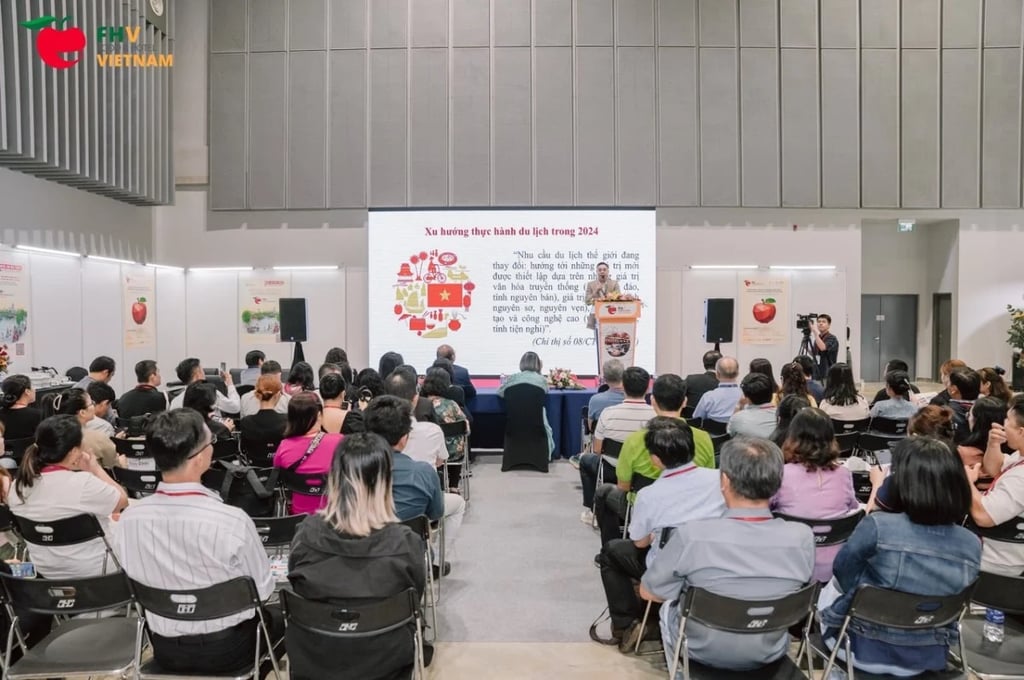
The Vietnam Culinary Challenge, Barista Competition, and Aromaster Championship drew crowds and generated energy. But it was the debut of the Vietnam Housekeeping Competition that caught our attention.
This addition signals something important. For years, the narrative of hospitality excellence has centered on the visible - the chef, the barista, the front-of-house professional. The inclusion of housekeeping as a competitive discipline acknowledges what the most sophisticated operators already know: luxury is made in the back of house. The guest experience is built on thousands of invisible, perfectly executed tasks.
But from an AAA perspective, there is another layer. The hospitality labor market is tightening globally, and Vietnam is not immune. The operators who succeed will be those who invest not just in training and recognition, but in the logistics of talent - how to recruit, retain, and deploy skilled staff across multiple properties efficiently. Housekeeping excellence is not just a service standard; it is a supply chain for human capital.
The FHV Premier Connect: Business Matching as Risk Mitigation
One of the most revealing elements of the exhibition was the FHV Premier Connect program - facilitated one-on-one meetings between exhibitors and qualified buyers. This is not a typical trade show feature. It reflects a market that has moved beyond browsing toward intentional sourcing in an environment where supplier reliability is uncertain.
For exhibitors, this means their presence at the exhibition must be supported by pre-qualified leads and structured conversations. For buyers, it means they arrive with specific needs and leave with concrete solutions - and, critically, with relationships that can be activated when supply chains face disruption.
From the AAA perspective, this shift from transactional to relational sourcing is essential. In an unstable global trade environment, the operators who have deep relationships with suppliers - who know their production capacity, their logistics alternatives, their contingency plans - will fare far better than those who treat procurement as a spot market.
What This Means for F&B and Hospitality in 2026
Synthesizing what we observed across three days, with the added lens of our international trading and logistics expertise, several implications emerge.
1. Supply Chain Resilience Is the New Competitive Frontier.
The presence of 19 international pavilions and a dedicated business matching program signals that Vietnam's F&B and hospitality operators are becoming more sophisticated in their sourcing. But sophistication is not enough. The operators who will thrive are those who have mapped their supply chains, diversified their sourcing, and built buffer capacity. In a world where a shipping lane closure or a tariff change can disrupt operations overnight, resilience is not a cost - it is revenue insurance.
2. Technology Must Solve Real Problems, Starting with Visibility.
The gap between flashy technology and genuinely useful technology was visible throughout the exhibition. The operators who succeed will be those who deploy technology to solve specific operational challenges - starting with supply chain visibility. Where do ingredients come from? What is the lead time? What are the alternatives if a primary source fails? Technology that cannot answer these questions is decoration. Technology that can is infrastructure.
3. Sustainability and Resilience Are Converging.
The exhibitors who positioned sustainability as core to their offering - with traceable, verifiable supply chains - attracted the most serious inquiries. This reflects a shift in buyer priorities. Sustainability is no longer a nice-to-have for marketing materials. It is becoming a proxy for supply chain maturity. Operators are learning that sustainable sourcing often means diversified sourcing, which in turn means more resilient operations.
4. Human Capital Logistics Is the Next Frontier.
The introduction of the Housekeeping Competition is a small but significant signal. As Vietnam's hospitality sector matures, the competition for talent will intensify. The operators who win will be those who invest in the logistics of human capital - recruitment pipelines, training systems, retention programs - with the same discipline they apply to ingredient sourcing.
What SMEs and Chain Businesses Can Learn
For small and medium enterprises and chain operators, the exhibition offered specific lessons.
SMEs: The path to scale lies in specialization, and in supply chain clarity. The most successful small exhibitors were those who had identified a specific niche and could articulate exactly how their supply chain worked. In an unstable environment, clarity is credibility. SMEs that cannot answer "where does this come from and how do you guarantee consistency?" will struggle to compete.
Chain Businesses: The challenge is consistency across scale, which requires supply chain architecture. The conversations we observed between chain operators and suppliers focused relentlessly on reliability: can you deliver the same quality to 50 locations as to one? The winners will be those who invest in systems that ensure uniformity without sacrificing flexibility, and who build relationships with logistics partners who can guarantee performance even when external conditions deteriorate.
The Trilien Perspective: Integration as Advantage
At Trilien Group, our structure reflects our thesis. BDP+Partners provides the strategic insight - the understanding of what operators need and where the market is heading. Asia Apex Alliance provides the operational backbone - the international trading and import-export capability that makes strategic sourcing a reality.
Across three days at Food & Hospitality Vietnam 2026, we saw both sides of this equation in action. Operators who arrived with clear strategies but fragile supply chains. Suppliers who offered excellent products but no visibility into delivery. Buyers who needed consistency but had not invested in relationships that could guarantee it.
The gap between strategy and execution is where value is lost - or created. Our observation is that the operators who will capture the most value in Vietnam's maturing market are those who treat strategy and supply chain as a single discipline, not as separate functions.
Looking Ahead: The Next Three Days, the Next Three Years
Food & Hospitality Vietnam 2026 closes on March 26. But the conversations started there will shape investment decisions, sourcing strategies, and operational priorities for years to come.
For the 400 exhibitors who participated, the question is what they learned about Vietnam's market—and whether they can adapt their supply chains to serve it reliably. For the 17,000 trade visitors, the question is what they will implement - and whether they have built the relationships and resilience to weather the instability that will certainly continue.
At Trilien Group, we are privileged to work alongside the operators, investors, and innovators who are answering these questions. The shape of Vietnam's hospitality future is being built not in boardrooms alone, but in the conversations that happen between buyers and suppliers, chefs and technologists, hoteliers and logistics partners. Food & Hospitality Vietnam 2026 was one such conversation. The work now begins.
Trilien Group
Global Insight. Linked By Design.
Insight (BDP+Partners) • Access (Asia Apex Alliance) • Value (Trilien Avant)
We serve luxury brands, F&B innovators, and investment partners who believe true value emerges not from silos - but from the intelligent links between them.