From Experimentation to Execution: Trilien Group’s Takeaways from Asia Tech x Singapore 2026
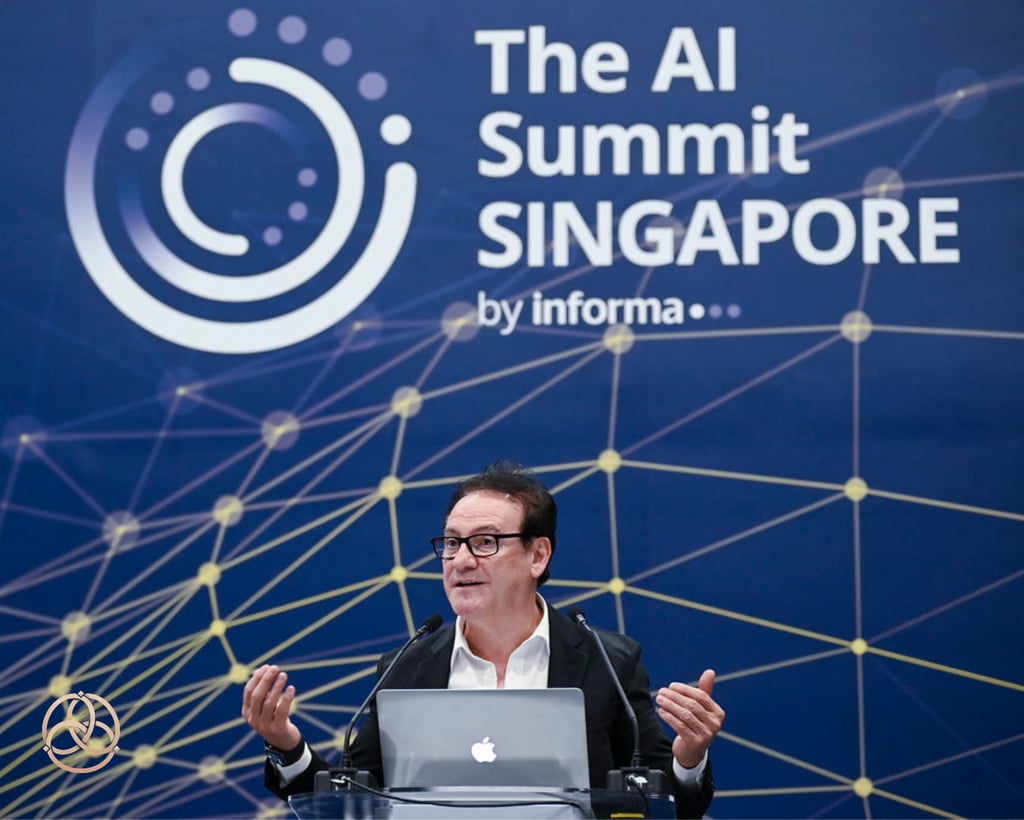
From 20 to 22 May 2026, Singapore hosted Asia’s flagship technology event: Asia Tech x Singapore (ATxSG 2026). For the team at Trilien Group, ATxSG 2026 was not merely a conference to observe. It was a critical intelligence-gathering mission.
INSIGHTS
Trilien Group
5/25/20267 min read
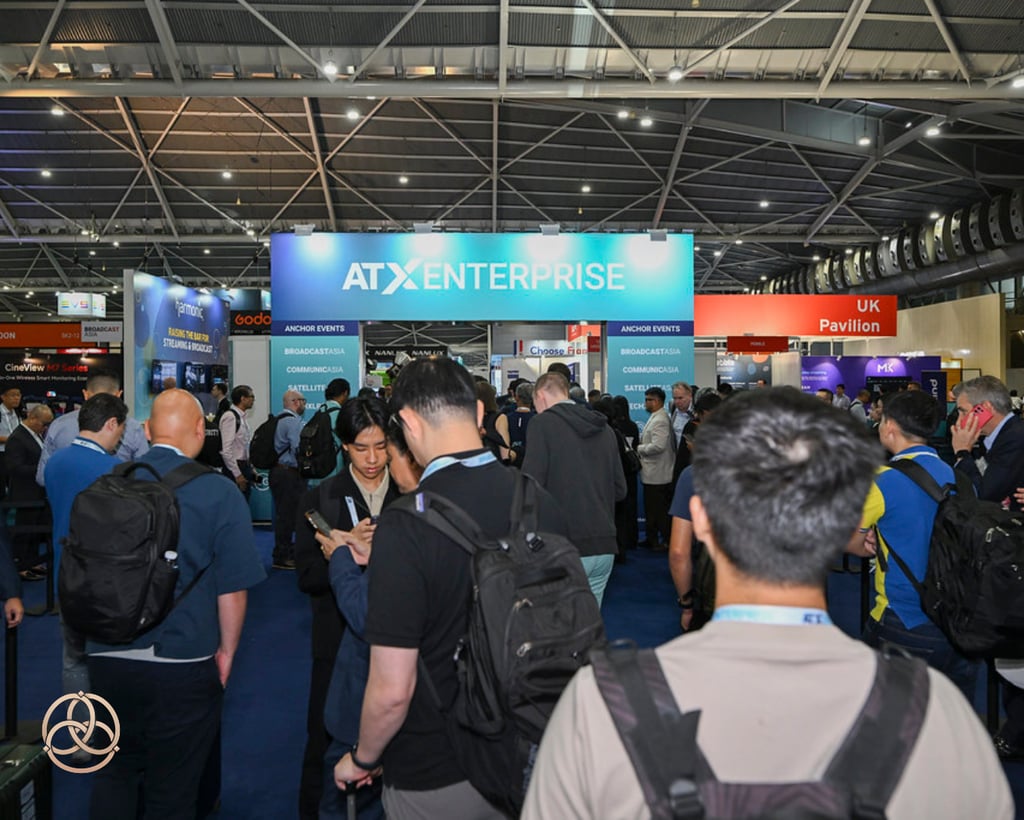
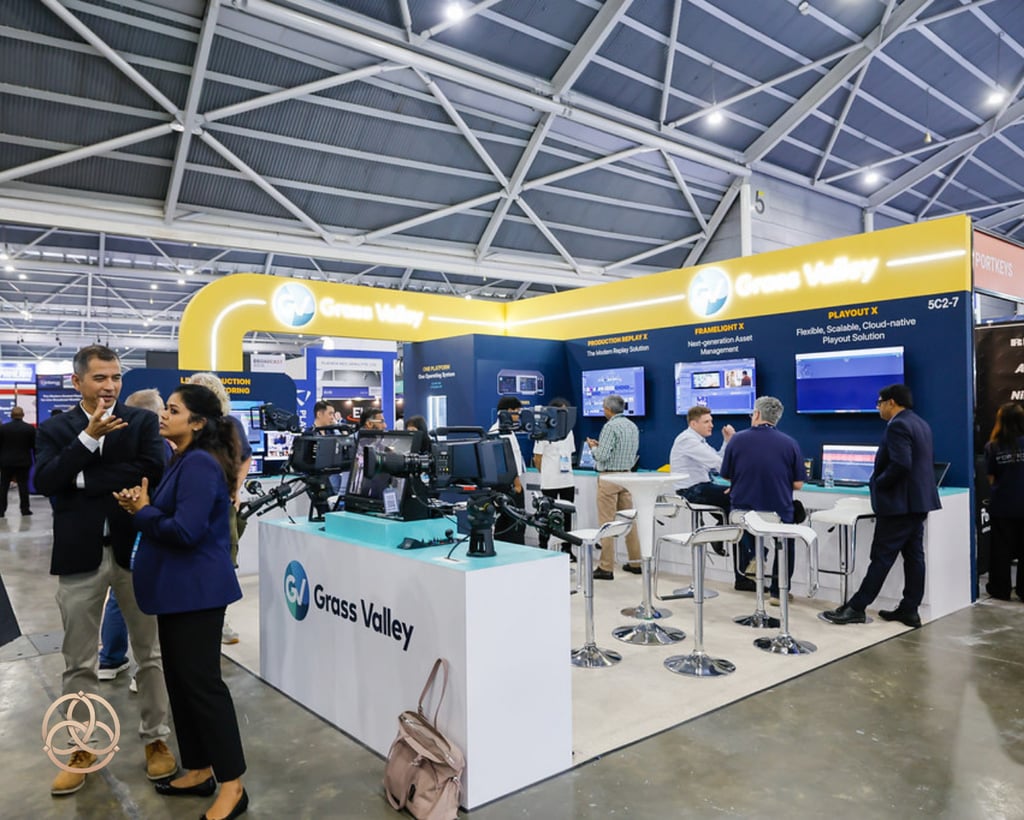
From 20 to 22 May 2026, Singapore hosted Asia’s flagship technology event: Asia Tech x Singapore (ATxSG 2026) . Now in its sixth year, the gathering brought together over 700 exhibitors across 35 pavilions, more than 450 speakers, and facilitated over 120,000 business interactions . With 55% of exhibitors and speakers from outside Singapore — representing Southeast Asia, Greater China, Japan, Europe, and North America — the event reinforced Singapore’s role as a strategic gateway connecting global innovation with Asia’s digital economy .
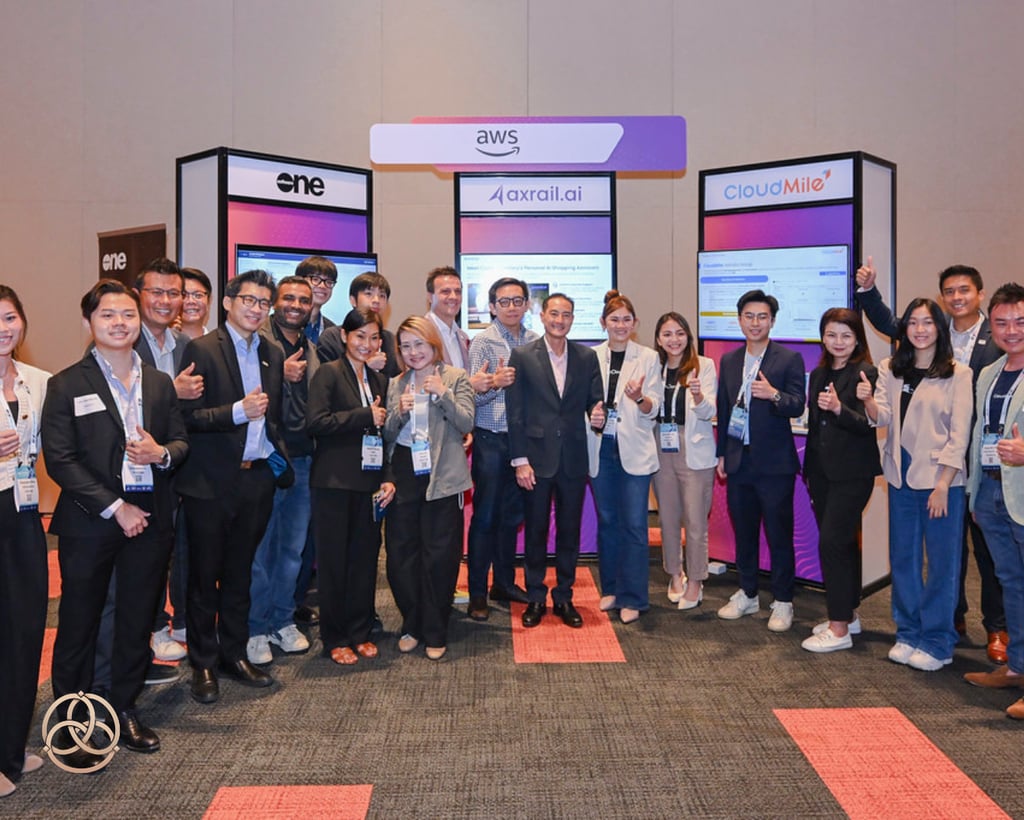
ATxEnterprise 2026, the commercial heart of ATxSG, covered AI, cloud, cybersecurity, satellite, media, and digital infrastructure. Participants included global technology companies such as Microsoft, TikTok, and Rakuten, as well as representatives from Indonesia’s Coordinating Ministry for Economic Affairs, and ambassadors and trade leaders from Qatar, Oman, Saudi Arabia, the European Union, Thailand, and Mongolia .
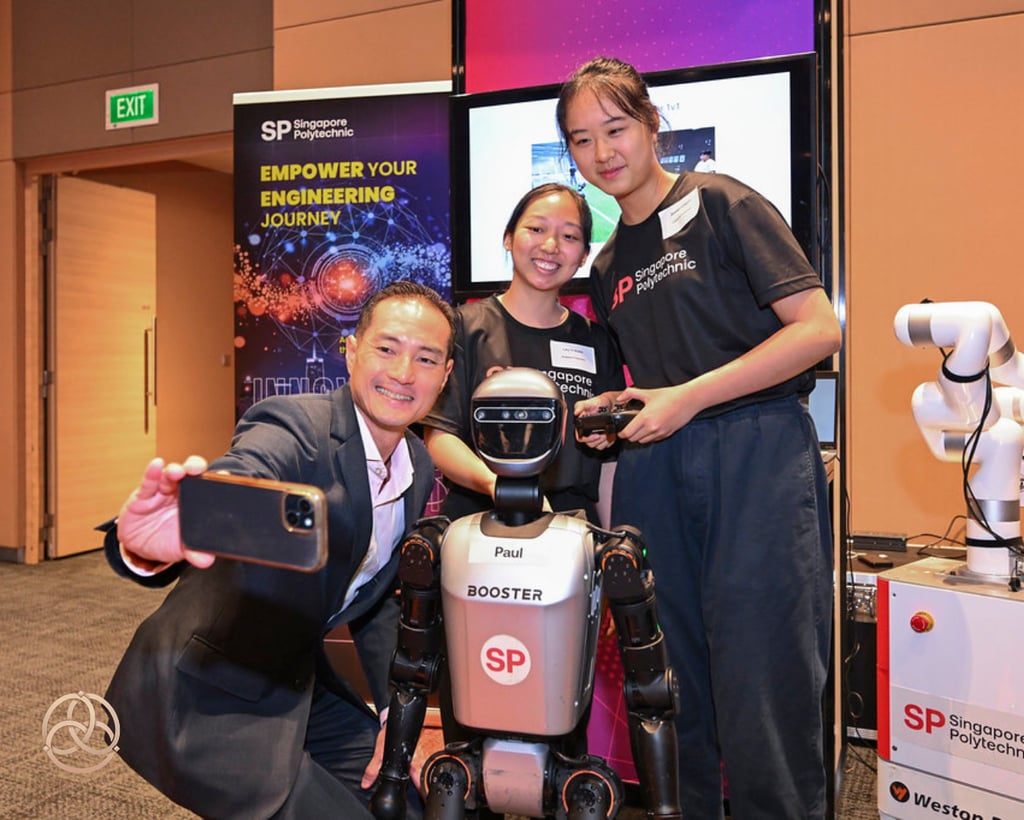
For the team at Trilien Group, ATxSG 2026 was not merely a conference to observe. It was a critical intelligence-gathering mission. Our divisions — BDP+Partners (strategic insight), Asia Apex Alliance (operational logistics), and Trilien Avant (creative & digital innovation) — each had distinct questions to answer about the future of technology adoption across the sectors we serve: luxury, hospitality, F&B, and enterprise expansion.
As the dust settles on three intense days of demos, deal-making, and debate, here are our core reflections on where AI and digital transformation are heading in Southeast Asia — and what this means for the brands and businesses we partner with.
Joyce Wang’s Closing Reflection
Joyce Wang, Event Director for ATxSG at Informa Festivals, captured the prevailing sentiment:
"What stood out this year was the level of convergence happening across industries, markets, and leadership groups. Conversations are no longer centred on whether AI adoption will happen, but how enterprises and governments can scale it responsibly, securely, and collaboratively across the region. ATxEnterprise has become a platform where these conversations translate into real partnerships, practical solutions, and measurable business outcomes."
Looking Ahead: 2027 and Beyond
For Trilien Group, ATxSG 2026 confirmed that our integrated model — strategic insight (BDP+Partners), operational logistics (Asia Apex Alliance), and creative execution (Trilien Avant) — is precisely what the market needs. The fragmentation that sinks most international expansions is not just logistical; it is also technological. Brands do not need separate vendors for strategy, supply chain, and digital innovation. They need an ecosystem that delivers all three, seamlessly.
ATxEnterprise will return to Singapore EXPO on 26–28 May 2027 . By then, the experiments of 2026 will have become the standards of 2027. Trilien Group will be there, not as a spectator, but as a participant — continuing to build the bridges between global ambition and Asian reality.
Trilien Group
Global Insight. Linked By Design.
Insight (BDP+Partners) • Access (Asia Apex Alliance) • Value (Trilien Avant)
We serve luxury brands, F&B innovators, and investment partners who believe true value emerges not from silos - but from the intelligent links between them.
The Big Shift: From Experimentation to Integration
The most frequently cited observation to emerge from ATxEnterprise 2026 was not about attendees or exhibitors, but about mindset. Businesses in Southeast Asia are moving from AI exploration to real-world application .
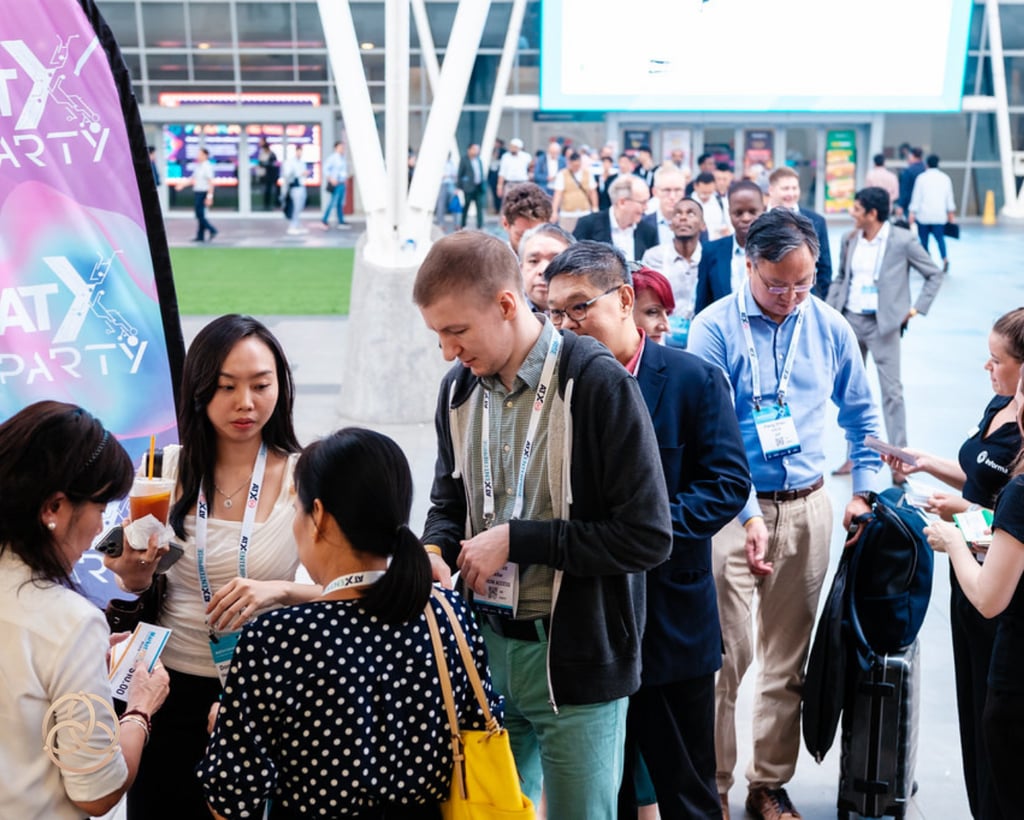
This transition was evident in the composition of the crowd. Participation from sectors far beyond traditional technology saw dramatic increases. According to show organizers, the number of VIP corporate buyers from supply chain, logistics, and transport rose 500% compared to previous editions. Healthcare and pharmaceuticals saw a 320% increase; retail and FMCG rose 80% ; manufacturing increased 37% ; and banking and financial services rose 32% .
For Trilien Group, this diversification is a powerful signal. Artificial intelligence is no longer the domain of tech giants and startups. It is rapidly becoming an operational necessity across the entire value chain of luxury retail, hospitality, and international logistics — the very sectors where we operate.
The event drew a senior enterprise audience, with 71% of attendees holding manager-level positions or above . Business matching and collaboration were supported through the ATxConnect programme, Hosted Buyer Programme, and dedicated Startup Pitch Sessions . This was not a gathering of curious observers. It was a marketplace of decision-makers actively seeking solutions.
Singapore’s Vision: Making AI Real for Enterprises
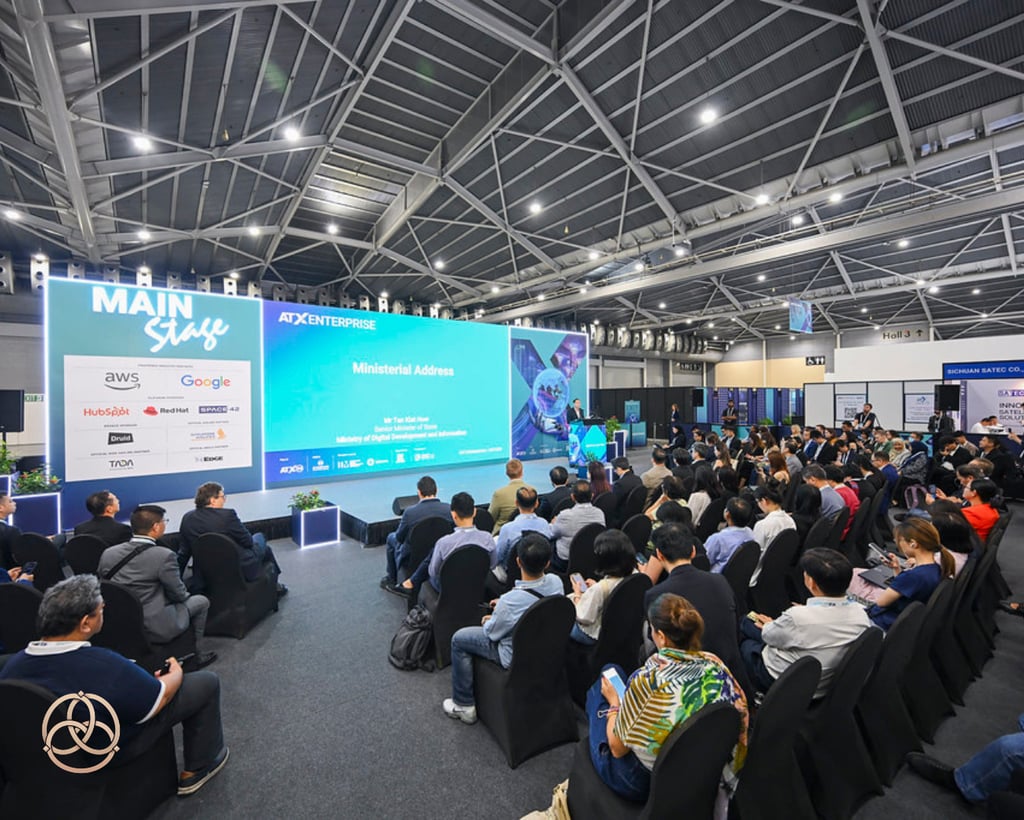
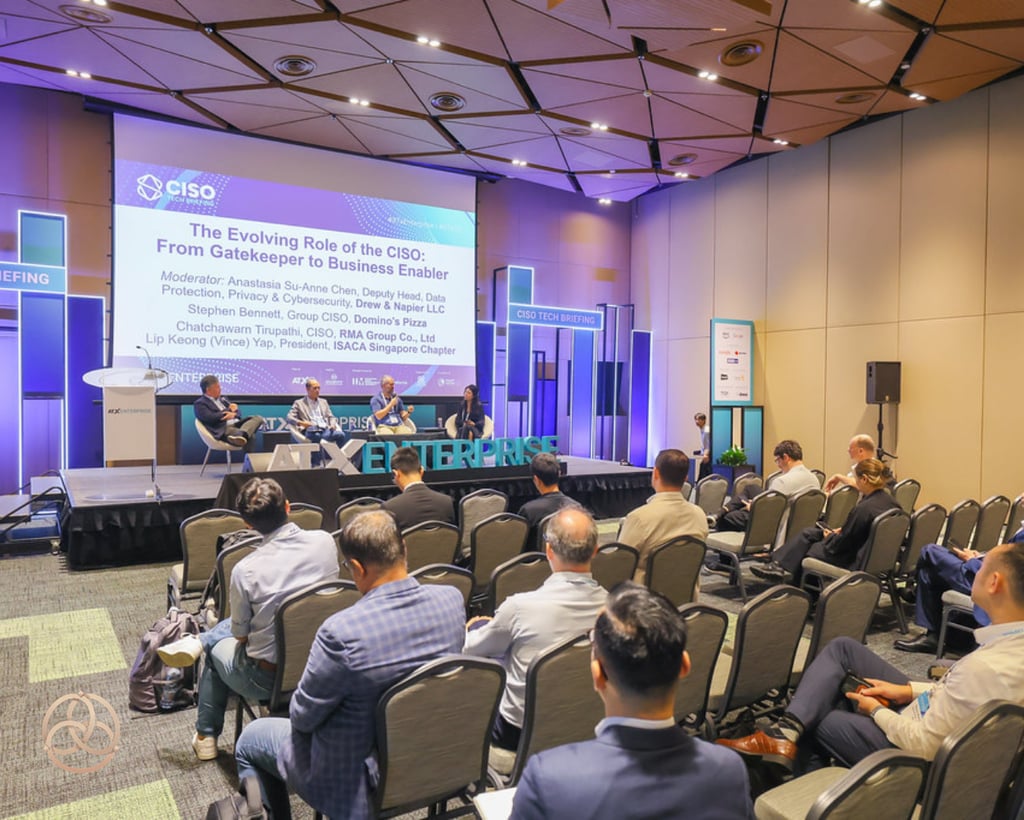
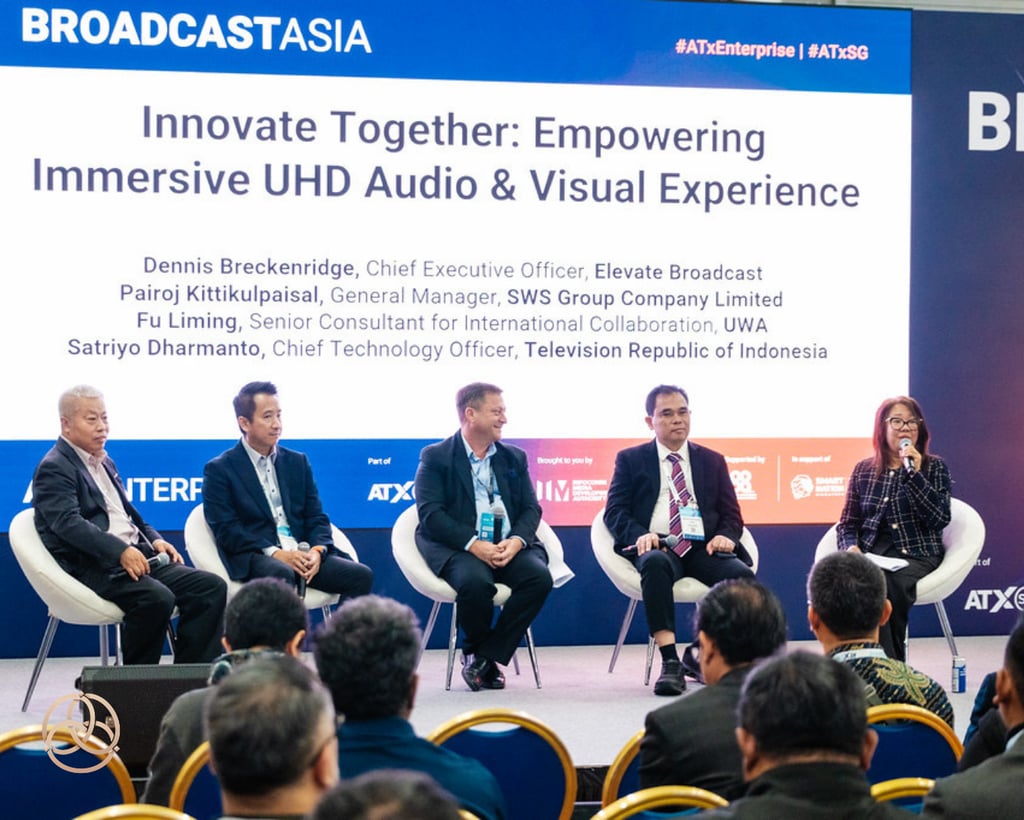
In his opening address at ATxEnterprise 2026, Senior Minister of State for Digital Development and Information, Mr Tan Kiat How, made the government’s position clear: Singapore is pushing to move "beyond buzzwords" and make AI practical and accessible for enterprises, particularly small and medium enterprises .
Several initiatives were introduced during the event to support enterprise AI adoption and cyber resilience.
1. AI for Enterprise Impact Playbook.
IMDA, SkillsFuture Singapore, and Workforce Singapore jointly developed this new playbook, drawing on insights from more than 1,000 enterprises. It helps firms with existing digital capabilities assess their AI readiness, identify needed support, and take actionable next steps. Crucially, it integrates programmes and resources from IMDA, Enterprise Singapore, SSG, and WSG into a single framework .
2. New Partnerships under the Digital Enterprise Blueprint.
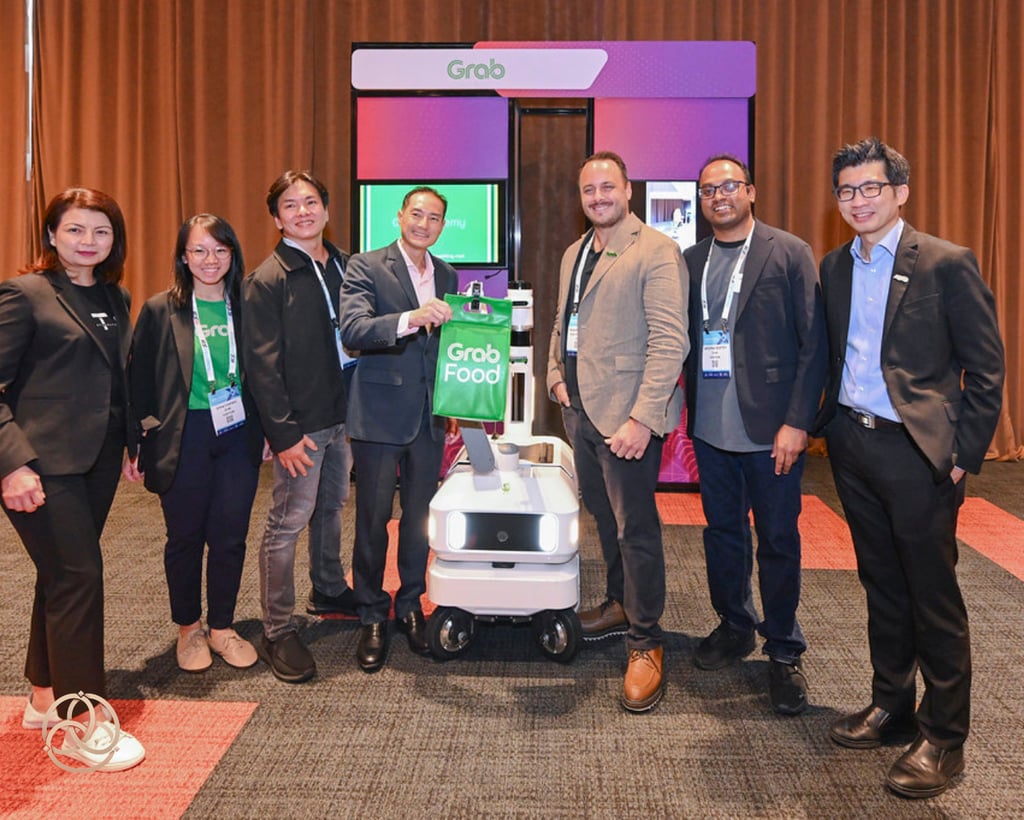
IMDA announced partnerships with Grab and RSM Stone Forest IT to support the national strategy that helps SMEs digitalise through established technology vendors .
Grab AI Programme for SMEs will reach 10,000 SMEs across F&B, e-commerce, and retail, providing AI literacy initiatives, training, and practical implementation support. This includes a two-day AI course co-developed with the Singapore University of Technology and Design.
RSM Cyber2SME™ Programme will offer 2,000 SMEs free phishing simulation exercises, cybersecurity awareness workshops, and access to webinars and tabletop exercises for up to 1,000 additional SMEs.
These partnerships build on the Digital Enterprise Blueprint, which has already supported more than 26,000 SMEs since its launch in May 2024. With Grab and RSM onboard, IMDA aims to reach an additional 12,000 SMEs, moving toward a target of 50,000 by 2029 .
3. SME AI Impact Awards 2026.
Mr Tan also announced the inaugural SME AI Impact Awards, aimed at encouraging more SMEs to adopt AI. The awards will recognise up to 30 companies across two categories: those developing proprietary AI tools and those successfully implementing off-the-shelf AI solutions. Winners will receive the SME AI Impact Award Trustmark, enhancing their business credibility and market recognition .
For Vietnamese enterprises looking to expand regionally — including many of our clients — these initiatives signal a maturing policy environment. The groundwork is being laid for interoperability between national digital economies, which will reduce friction for cross-border data flows and digital services.
Data Sovereignty and Local AI: A Regional Imperative
While Singapore took center stage with its policy announcements, the broader regional context was unmistakable. Discussions across the 450-speaker programme focused on the foundations needed to sustain long-term digital growth: workforce readiness, cyber resilience, trusted digital ecosystems, and regional coordination .
One of the most significant undercurrents was the growing emphasis on sovereign AI — models trained on local data, attuned to local languages and cultural contexts, and governed by local regulations. For global brands operating in the region, the rise of locally trained AI models is a strategic development. It enables personalisation and automation at a cultural level that general-purpose models trained on Western data cannot achieve.
For Trilien Avant, which deploys EVEBOT and other digital tools to create brand resonance, these advances open new possibilities for hyper-localised, AI-driven customer experiences. The ability to integrate AI that understands not just the language but the cultural nuances of Vietnamese, Thai, or Indonesian consumers will be a significant competitive advantage in the coming years.
What This Means for Trilien Group — and Our Clients
Synthesising our observations from three days in Singapore, several clear strategic implications emerge for the sectors we serve.
1. The Logistics Sector is Digitising at Speed.
The 500% increase in supply chain buyers at ATxEnterprise is a clear signal. Operational resilience is now a technology problem as much as a physical one. For Asia Apex Alliance, this means our investments in real-time tracking, predictive analytics, and integrated customs platforms are not just differentiators — they are becoming table stakes. The businesses that fail to digitise their logistics will find themselves unable to compete on speed, cost, or reliability.
2. Luxury and Hospitality Must Embrace AI-Driven Personalisation.
The transition from experimentation to integration will transform guest expectations. Passengers will expect their preferences to be remembered and applied automatically across hotel chains and airline lounges. For our ongoing work with Vietnam Airlines, Marriott, IHG, and Accor, the question is no longer whether to deploy AI, but how to do so seamlessly and invisibly. The EVEBOT philosophy — using technology to create moments of genuine delight — is aligned with the broader industry shift away from novelty and toward utility.
3. Cross-Border Digital Trade is Becoming a Policy Priority.
The high-level discussions between Vietnamese and Singaporean ministers earlier in May — focusing on harmonising regulatory frameworks for AI governance and strengthening cooperation on next-generation submarine cable infrastructure — confirm that the infrastructure for a truly integrated ASEAN digital economy is being built. For brands entering the region, this reduces long-term regulatory risk.
4. SMEs Have a Window of Opportunity.
Singapore’s new initiatives — the AI for Enterprise Impact Playbook, the Grab and RSM partnerships, and the SME AI Impact Awards — provide a roadmap that other ASEAN nations may follow. For Vietnamese SMEs, particularly those in F&B, retail, and hospitality, the next 12–24 months represent a critical window to adopt AI tools before competitors do. The businesses that move early will capture efficiency gains and market share that late adopters will struggle to reclaim.