
Beyond the Brew: Strategic Reflections from Cafe Show Vietnam 2026
From April 16 to 18, 2026, the Saigon Exhibition and Convention Centre (SECC) became the epicenter of Vietnam's F&B universe. Cafe Show & Tea Show Vietnam 2026 brought together hundreds of international brands, from coffee equipment giants like La Marzocco, Victoria Arduino, and Sanremo to tea specialists, bakery innovators, and supply chain solution providers. Under the patronage of the Vietnam Coffee-Cocoa Association and the Vietnam Tea Association, the event served as a comprehensive platform connecting the entire value chain, from raw material regions and roasters to distributors and café operators. But beyond the gleaming espresso machines and the aroma of freshly brewed specialty coffee, what did the three-day exhibition actually reveal about the state of Vietnam's F&B industry and where it is heading in 2026 and beyond?
INSIGHTS
Trilien Group
4/20/20266 min read
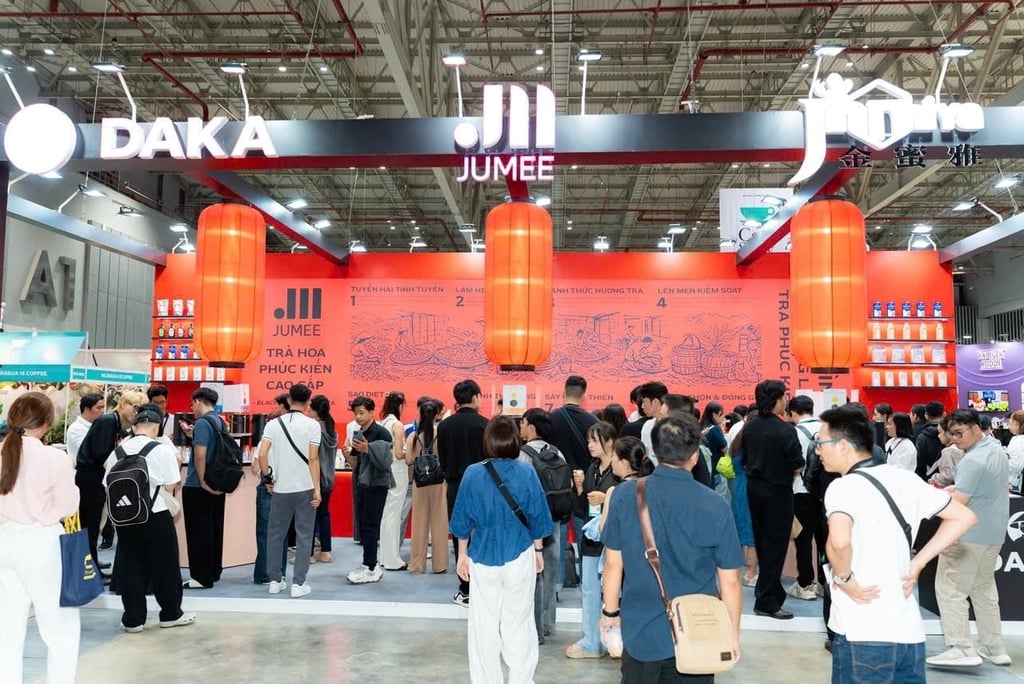
At Trilien Group, we attended not merely as observers, but as students of structural change. Our BDP+Partners division specializes in translating market signals into strategic insight. Across three days of conversations, demonstrations, and quiet observation, supported by our Asia Apex Alliance lens on international trade and import-export logistics, several patterns emerged that merit reflection for anyone building, operating, or investing in Vietnam's dynamic F&B landscape.
The Big Picture: An Industry Seeking Professionalization
The most significant signal from Cafe Show 2026 was not any single product or technology. It was the professionalization of the entire industry. The event's organizers made this explicit: a key priority was changing social perception of the barista profession, moving it from a "temporary job" to a recognized career with standards, investment, and clear advancement pathways.
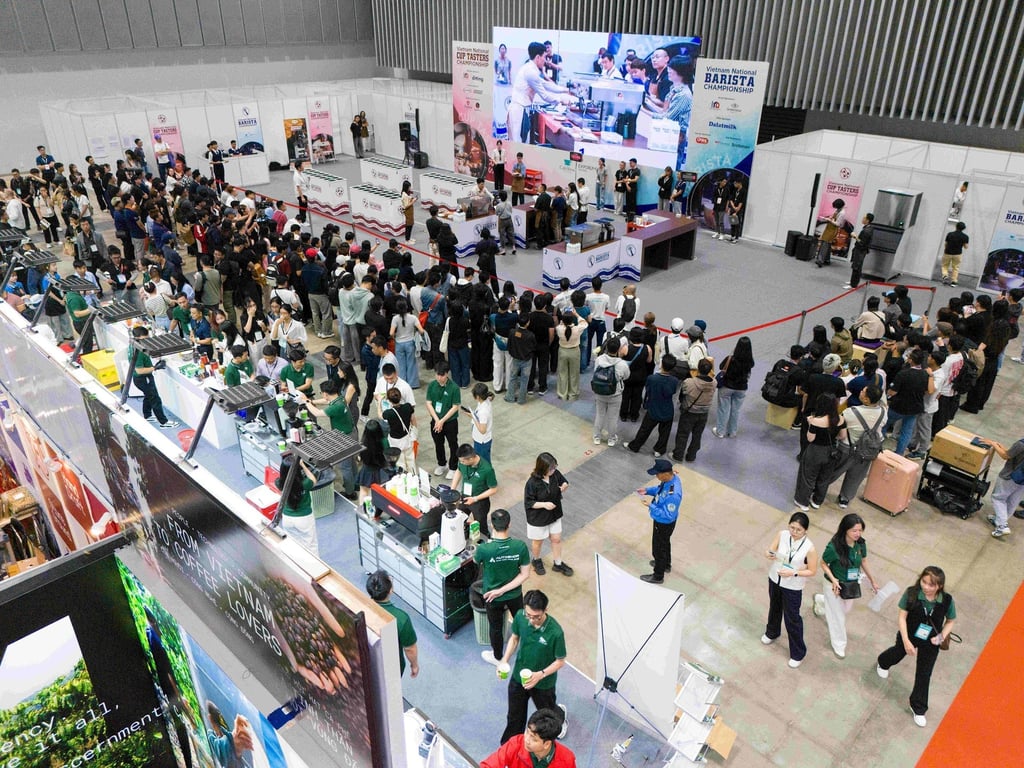
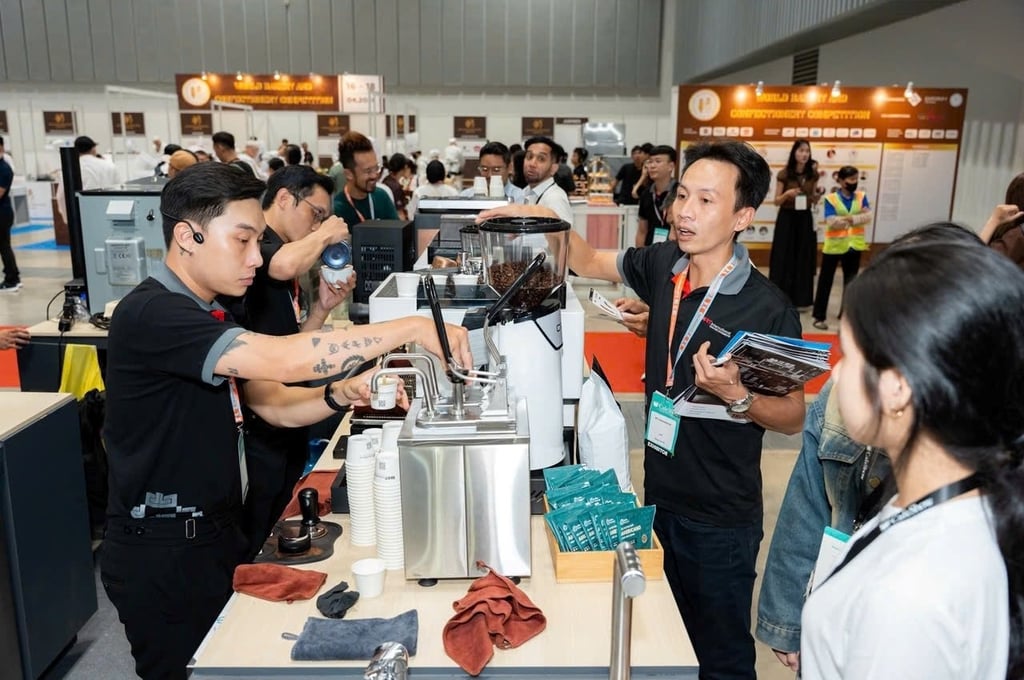
This is not merely a labor issue. It is a strategic imperative. An industry that treats its core talent as transient cannot build consistent quality, let alone compete on the global stage. The presence of the Vietnam National Barista Championship 2026 (VNBC) — certified by World Coffee Events (WCE) as the only national competition in Vietnam qualifying for the World Barista Championship, signals that the industry is serious about raising its professional standards. The winner of VNBC 2026 will represent Vietnam at the World Barista Championship 2027 in Tokyo. That is a statement of ambition.
Similarly, the debut of the Vietnam National Cup Tasters Championship (VNCTC) — focused on sensory skills, underscores that professional coffee requires more than skilled hands. It demands a rigorously trained palate, disciplined methodology, and international standards.
For SMEs and chain businesses, the implication is clear: the era of informal operations is ending. To compete, you must invest in professional training, certified skills, and recognized standards. Your baristas are not just employees; they are brand ambassadors whose skills directly affect customer perception and loyalty.
The Three Trends Driving 2026
The official Cafe Show Vietnam website identified three key trends shaping the F&B industry in 2026. Our observations at the exhibition confirmed each.
1. Personalization of the Customer Experience.
Over 65% of Gen Z consumers now prioritize brands that allow them to customize their beverages, not just ingredients, but presentation. Latte art, creative toppings, and personalized packaging are no longer novelties; they are expectations.
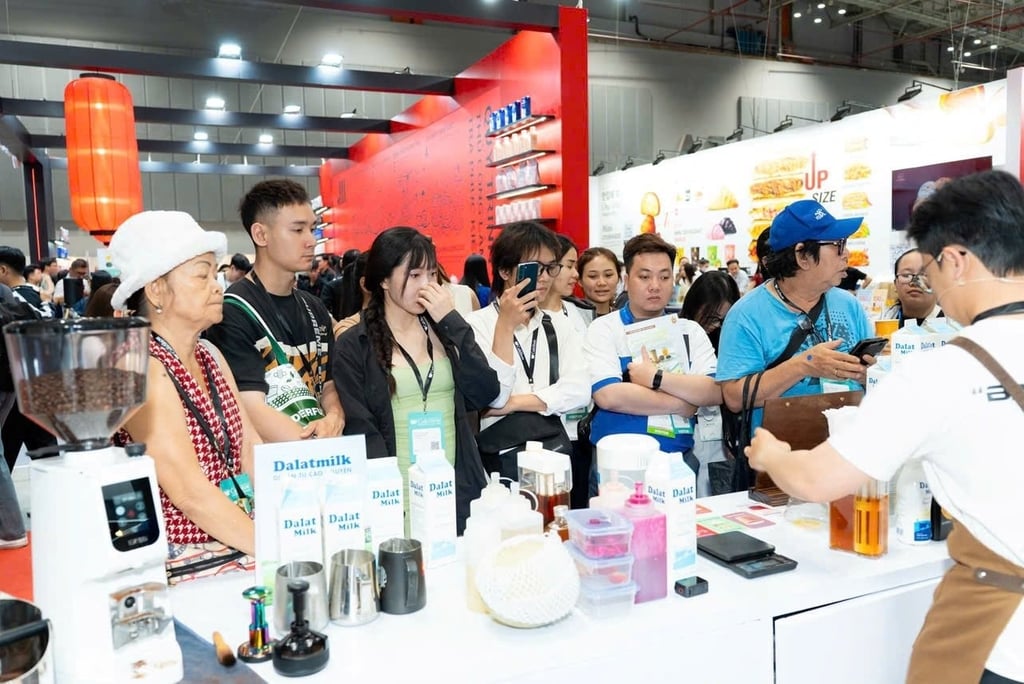
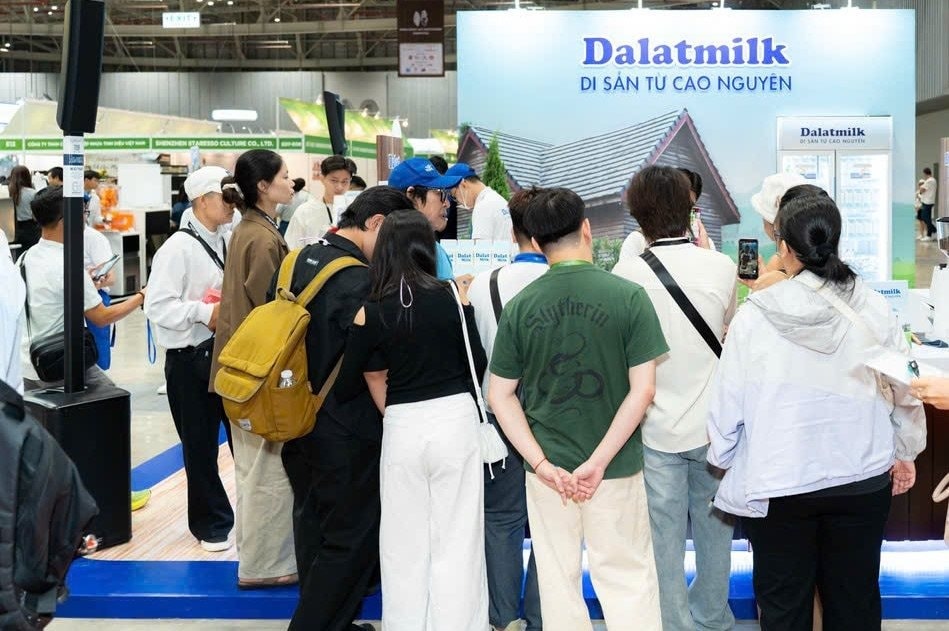
At the exhibition, this trend manifested in the customization services offered by equipment suppliers, the variety of specialty ingredients on display, and the enthusiastic crowds at workshops demonstrating creative techniques.
For business owners, this means moving beyond a standardized menu. The question is no longer "what do we serve?" but "how can the customer make it theirs?" This requires investment in training (baristas who can execute customization consistently), technology (ordering systems that capture preferences), and supply chain (ingredients that enable variety without complexity).
2. Elevating Product Quality and Spatial Experience.
Customers are willing to pay 20-30% more for brands that invest in coffee quality, brewing equipment, and well-designed spaces. This is not a niche premium segment; it is becoming the mainstream expectation.
The exhibition floor demonstrated this clearly. Premium equipment brands attracted serious inquiries, not just curiosity. Workshops on sourdough, macaron techniques, and 3D jelly flowers drew crowds interested not just in recipes, but in the artistry that commands higher prices.
For chain businesses, this presents a challenge: how to elevate quality and experience consistently across multiple locations? The answer lies in standardized training, centralized sourcing of premium ingredients, and design guidelines that allow local adaptation without brand dilution.
3. Flexible Business Models and Digital Integration.
Cloud kitchens, hybrid online-offline models, and technology-integrated cafés are no longer experimental. They are essential for risk management and market reach.
The exhibition featured solutions for every stage of digital integration: from ordering apps to inventory management systems to customer loyalty platforms. The businesses that thrive in 2026 will be those that treat digital not as an add-on, but as a core operational channel.
The Competition Landscape: From National to Global
The Vietnam National Barista Championship is not just a competition; it is a pipeline. The winner goes to Tokyo for the World Barista Championship. That means Vietnamese baristas will be judged against the best in the world, and Vietnamese cafés will be benchmarked against global standards.
This has profound implications for the industry. It means that Vietnamese F&B businesses can no longer compete only against each other. They are entering a global arena where standards are set by Tokyo, London, Melbourne, and Seattle. The equipment, training, and ingredients that enable world-class performance are now accessible in Vietnam, but only for those who invest.
For SMEs, this means strategic partnerships with suppliers and training providers are essential. For chains, it means building internal certification programs that align with international standards.
What Trilien Group Observed: Gaps and Opportunities
Across three days at SECC, we identified several gaps between what the market needs and what most businesses currently deliver.
The Talent Gap: The barista profession is gaining recognition, but training infrastructure remains fragmented. Businesses that invest in certified training programs, and make certification a visible part of their brand, will attract and retain better talent.
The Technology Gap: Many exhibitors showcased impressive technology, from precision brewing equipment to integrated point-of-sale systems. But adoption remains uneven. Businesses that fully integrate technology, from ordering to inventory to customer loyalty, will gain efficiency that competitors cannot match.
The Supply Chain Gap: Premium ingredients and equipment are available, but reliable supply chains are not guaranteed. Businesses that build relationships with trusted suppliers, and diversify their sources to manage risk, will maintain quality when competitors face stockouts.
The Personalization Gap: Most businesses recognize the importance of personalization, but few have systematized it. Those that develop standardized customization protocols, trainable, scalable, and brand-consistent, will turn a trend into a competitive advantage.
How Trilien Group Can Help F&B Businesses Thrive in 2026
At Trilien Group, we are structured to address precisely these gaps. Our three-pillar model provides a comprehensive solution for F&B businesses seeking to scale, professionalize, and compete.
BDP+Partners: Strategic Insight
We help F&B businesses understand their market, their customers, and their competition. Through data-driven analysis and cultural intelligence, we identify opportunities for differentiation, personalization, and premium positioning. For a café chain considering expansion, we map the competitive landscape and identify optimal locations. For a roastery developing a new product line, we test concepts and refine positioning.Asia Apex Alliance: Operational Access
We manage the international trade and import-export logistics that enable F&B businesses to source premium equipment and ingredients reliably. In a volatile global trade environment, our relationships with suppliers, our expertise in customs compliance, and our logistics infrastructure ensure that our clients receive what they need, when they need it, without the disruptions that plague less prepared competitors.Trilien Avant: Brand & Experience Execution
We design and deploy the digital tools, customer experience innovations, and brand assets that turn strategy into revenue. From EVEBOT Coffee Foam Printers that create personalized, shareable moments to loyalty platforms that capture customer preferences across visits, we provide the "wow" that drives repeat business and word-of-mouth marketing.
Practical Steps for SMEs and Chain Businesses
Based on our observations at Cafe Show 2026, here are concrete actions F&B businesses can take to thrive in 2026:
For SMEs:
Invest in certified barista training for your team. Make certification visible to customers.
Develop 2-3 signature customization options that are easy to execute consistently.
Partner with a reliable supplier for premium ingredients, and have a backup source.
Create a simple loyalty program that captures customer preferences, not just purchase frequency.
For Chain Businesses:
Standardize personalization protocols across all locations, allowing local variation within brand guidelines.
Integrate your ordering, inventory, and loyalty systems to create a seamless customer experience.
Invest in supply chain diversification to manage risk across multiple locations.
Develop internal training and certification programs that align with international standards.
Looking Ahead: The Future of Vietnamese F&B
Cafe Show Vietnam 2026 closed on April 18. But the conversations started there will shape investment decisions, sourcing strategies, and operational priorities for years to come.
The signals are clear: personalization is not optional. Quality is not negotiable. Digital integration is not experimental. And professional standards are not aspirational, they are operational necessities.
The businesses that thrive in 2026 will be those that treat these trends not as separate initiatives, but as integrated elements of a single strategy: to deliver exceptional, consistent, personalized experiences that customers cannot find elsewhere.
At Trilien Group, we are privileged to work alongside the roasters, baristas, café owners, and chain operators who are building that future. The coffee is brewing. The tea is steeping. The market is ready.
The question is not whether you will participate. It is whether you will be prepared.
Trilien Group
Global Insight. Linked By Design.
Insight (BDP+Partners) • Access (Asia Apex Alliance) • Value (Trilien Avant)
We serve luxury brands, F&B innovators, and investment partners who believe true value emerges not from silos - but from the intelligent links between them.